01What Is the Medve AI Business and How It Works
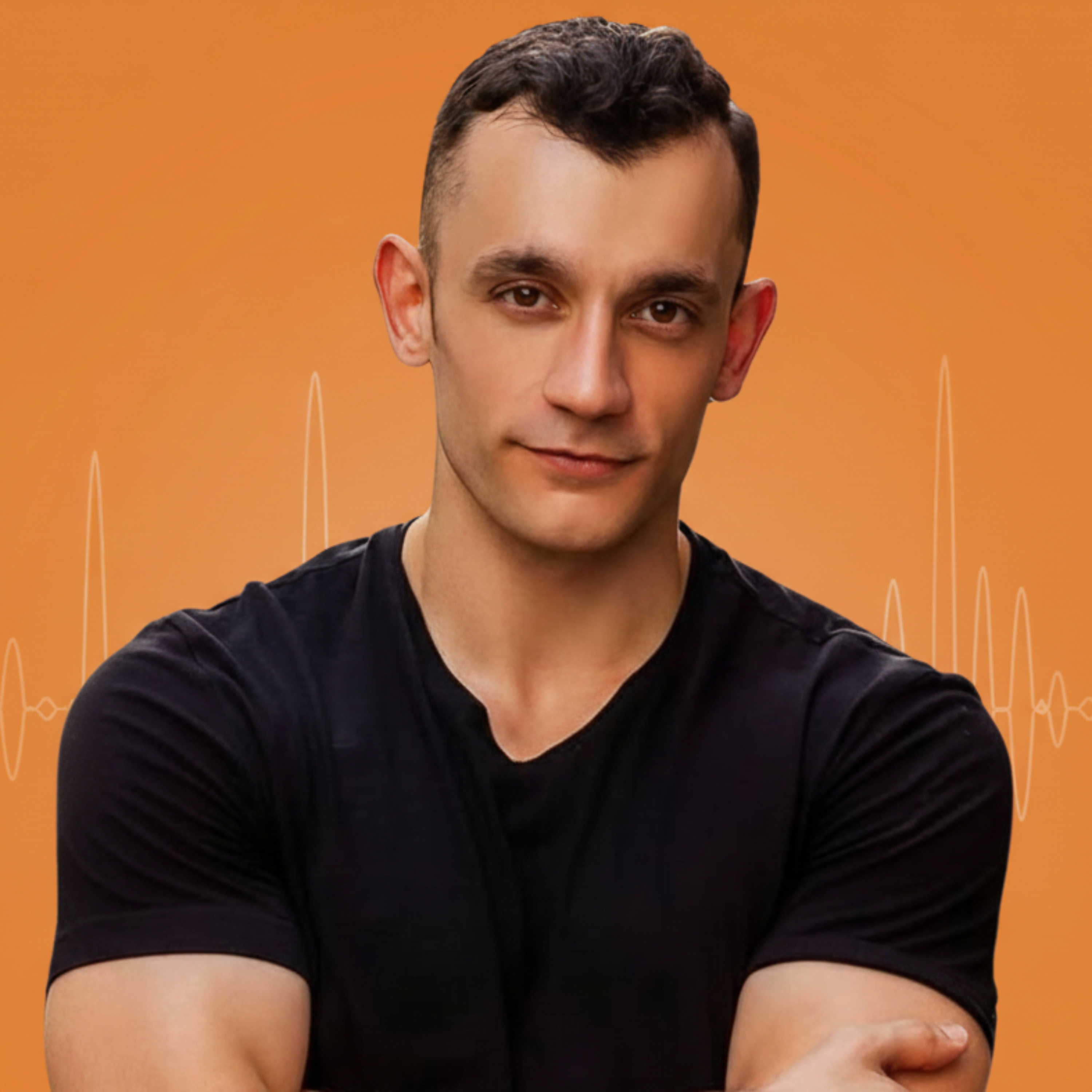
Medve AI business is a telehealth company built entirely with artificial intelligence. It sells GLP-1 weight-loss drugs like Ozempic and Wegovy online. The company was founded by Matthew Gallagher in September 2024 with only $20,000 and two employees: Matthew and his brother Elliot.
In its first full year, Medve generated $401 million in revenue and is on track to hit $1.8 billion. The New York Times verified the financials. The secret is AI. Matthew used ChatGPT, Claude, Grok, Midjourney, Runway, and 11 Labs to build the platform.
Custom AI agents connect everything so ads drive traffic, the site books appointments, and AI handles follow-ups automatically.
02Main Features of the Medve AI Business Model
Medve uses a fully automated system. AI writes the code for the platform. ChatGPT, Claude, and Grok handled all programming. Midjourney created all product images.
Runway made video ads. 11 Labs provided AI voice agents for customer service.
- Custom AI agents stitch all tools together so the system runs on autopilot.
- Telehealth in a box: Medve partners with Care Validate, which provides doctors, pharmacies, prescriptions, shipping, and compliance.
- Low pricing: First month of GLP-1s costs as low as $179, competitive with other telehealth companies.
- Zero outside investors: Medve has no venture capital funding. Total profit so far is between $70 and $80 million.
- Rapid expansion: In February 2025, Medve added men's health products and healthy meal delivery plans. Women's health is next.
03How to Set Up an AI Business Like Medve
Matthew Gallagher built Medve from his living room in Los Angeles. Here are the steps he followed, which you can replicate:
- Identify a market with high demand: Matthew saw huge demand for GLP-1 weight-loss drugs. Find a product people are desperate for and can't get fast enough.
- Sign up for a telehealth platform: He used Care Validate, which offers a complete telehealth service including doctors, pharmacies, and compliance. This handles the medical side.
- Use AI to write the platform code: Matthew used ChatGPT, Claude, and Grok to build Medve's entire website and backend. No coding team needed.
- Create all visuals with AI: Midjourney generated product images, and Runway made video ads for social media and search.
- Set up AI customer service: 11 Labs provided AI voice agents to handle calls. Matthew also built custom AI agents to connect ads, bookings, and follow-ups automatically.
- Launch and iterate fast: Medve launched in September 2024. Matthew made changes quickly and fixed problems immediately when they arose.
04How to Use AI Tools to Run a Lean Business Like Medve
Matthew Gallagher walks through how he uses each AI tool. ChatGPT, Claude, and Grok write all the code for the platform. He doesn't have a developer team. Midjourney creates every image on the site and in ads.
Runway produces video ads automatically. 11 Labs handles customer service calls with AI voice agents that sound human.
Matthew built custom AI agents to connect all these systems. For example, when a customer books an appointment, the AI agent triggers follow-up emails and reminders. The entire business runs on autopilot.
Matthew works from his house and only interrupts when something breaks.
He even made an AI clone of his voice using 11 Labs to schedule his own appointments. This gives him more time to work on Medve. The key is to let AI handle everything you don't need to do personally.
05Results and Comparisons from the Medve Story
Medve's results are compared directly to Hims & Hers Health, a competitor with 2,400 employees. Hims did $2.4 billion in revenue last year but had a net profit margin of only 5.5%. Medve, with two employees, achieved a net profit margin of 16.2% — three times more profitable.
- Revenue: Medve hit $401 million in its first year. It now makes over $3 million per day.
- Customer growth: 300 customers in month 1, 1,000 more in month 2. By end of first year, 250,000 customers.
- Net profit: $65 million in net profit (16.2% margin) vs. Hims' 5.5% margin.
- Cost to launch: $20,000 — includes software and first month of marketing. A traditional telehealth company would need $2–5 million in funding and a team of 50 people.
- Expansion: Men's health hit 50,000 customers in its first month and is on track to surpass the GLP-1 business within four months.
06Tips, Limits, and Mistakes to Avoid in AI Businesses
Matthew's journey had several bumps. The customer service chatbot hallucinated — it made up prices for drugs that didn't exist. Matthew honored those prices to keep customers happy. The bot also told customers Medve sold hair loss drugs when it didn't.
He originally trained the bot to transfer customers to his cell phone if they wanted a real person. This led to over 1,000 calls to his personal phone. He had to change that setup quickly.
Another mistake: Matthew made a small change to the website and went hiking. An hour later, a media agency called — no orders had come in. The update broke the checkout form.
He sprinted home but lost about 200 customers from the downtime. Always monitor changes live, even tiny ones.
Matthew also admits he's lonely and recently hired several contract account managers to give customers a human touch. Those managers now use AI to track birthdays, names, and personal details.
07Who the Medve AI Business Model Is For
The Medve model is for anyone who wants to build a company without a big team or large funding. Matthew didn't invent anything new. GLP-1 telehealth already existed. He just used AI to implement it faster, cheaper, and leaner than competitors.
This works best if you already understand marketing and AI. Matthew learned marketing from a previous business called Watch Gang. VC Kobol Fuller says Matthew's combination of marketing skills and AI fluency is his superpower.
Not everyone has that starting point, but the tools are available to anyone.
The cost of starting a company has collapsed. Building a website, running ads, and customer service all cost almost nothing with AI. What one person can build today is more than what a funded startup could build three years ago.
You need a market with real demand and the willingness to move fast.